
 Subscribe / Back Issues

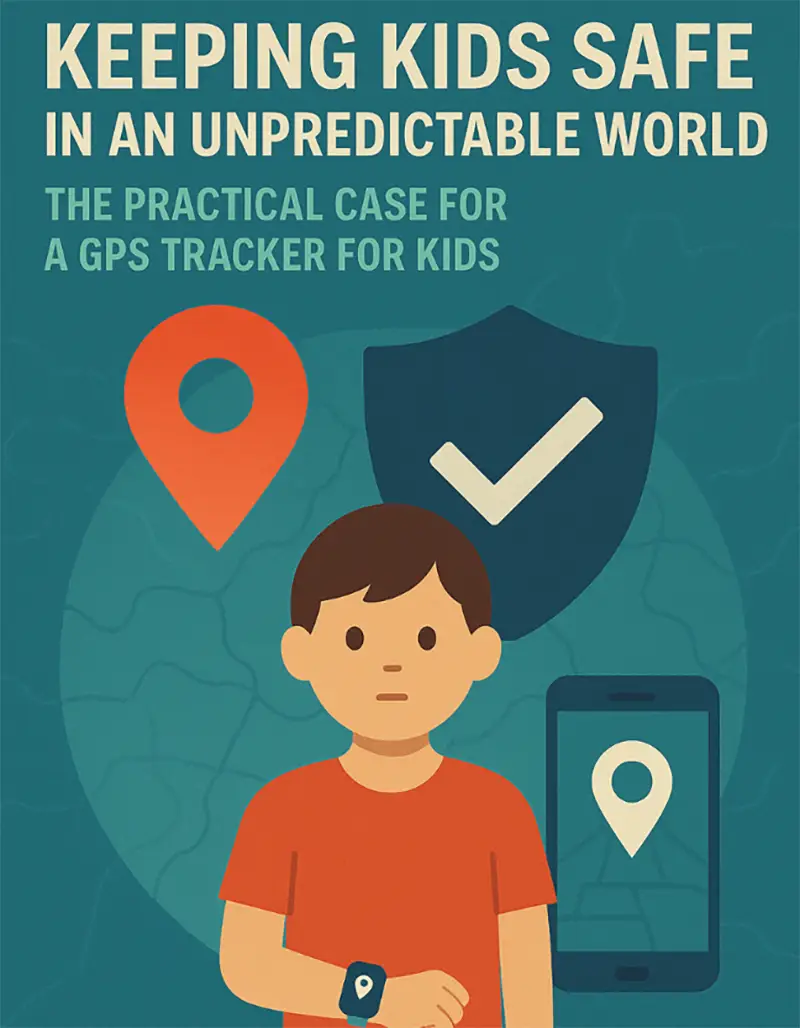
In the world of everyday carry, preparedness is everything. We choose gear not only for utility, but because it gives us peace of mind. And if you’re a parent, nothing matters more than knowing your kids are safe. That’s where a GPS tracker for kids becomes less of a tech gimmick and more of an essential tool in your family’s safety kit.
If you’re already someone who appreciates having the right tool for every job—whether that’s a dependable blade, a multi-tool, ora tactical flashlight—then adding a child GPS tracker to your EDC mindset just makes sense. It’s the same principle: stay ready so you don’t have to get ready.
Why You Should Consider a GPS Tracker for Kids
You can’t always be by your child’s side. School, after-school sports, neighborhood bike rides—these are great for their independence, but not so great for your peace of mind. A kid tracker device bridges that gap. Here’s how:
1. Real-Time Location Monitoring
Most GPS trackers for kids deliver live location updates through an app on your phone. That means you can see where your child is at any time, in real-time—without needing to call or text them. Useful on school trips, crowded events, or even when they’re just walking to a friend’s house.
2. Geofencing Alerts
You can set up virtual boundaries (called geofences) around places like school, home, or grandma’s house. If your child leaves or enters one of those areas, you’ll get an alert. No guessing, no panic—just solid, dependable info.
3. SOS and Two-Way Communication
Most modern child GPS trackers include a panic/SOS button that lets your child contact you with one press. Some models even offer two-way voice calling or messaging, so you can stay in touch without handing over a full-fledged smartphone.
Tactical, Not Overbearing: Empowering Independence
Let’s be clear—this isn’t about helicopter parenting. It’s about having a reliable, unobtrusive way to let kids explore, grow, and be independent—while still staying connected. Think of it as personal safety gear for kids. Just like we teach them how to use a pocketknife responsibly, we can also teach them how to use a kid GPS tracker as part of their own awareness and safety.
What to Look for in a GPS Tracker for Kids
Just like choosing your EDC gear, you want the right mix of durability, functionality, and battery life. Here’s a short checklist:
- Durability: Kids are rough on gear. Look for waterproof, drop-resistant designs.
- Battery Life: Some devices last up to 7 days; others need daily charging. Choose what fits your routine.
- Size and Comfort: Wristband models are great for younger kids; clip-on or discreet pocket models suit older children.
- Coverage: Make sure the device works nationwide, or even globally if you travel.
Our Pick: Spark Nano GPS Tracker from BrickHouse Security
We’ve field-tested dozens of units, and one standout is the Spark Nano GPS Tracker by BrickHouse Security. It’s compact, rugged, and delivers precise location tracking with real-time updates. It also offers geofencing, SOS alerts, and long battery life—everything you’d want in a GPS tracker for kids. Plus, it works off a reliable 4G network for fast, dependable service anywhere in the U.S.
You can clip it to a backpack, tuck it in a pocket, or add a magnetic case for added versatility. For families that value preparedness, this tracker is like the Swiss Army knife of personal safety.
Final Word
We carry knives, tools, and gear to be ready for whatever the world throws at us. A child GPS tracker fits into that same mindset—it’s not paranoia, it’s planning. In an uncertain world, it’s one more way to give your kids freedom while keeping a watchful eye from a respectful distance.
Let them explore. You’ve got their back.
FAQs
- Are GPS trackers for kids legal to use?
Yes. It’s completely legal for parents or guardians to use a GPS tracker to monitor their own child, as long as the device isn’t used for unlawful surveillance or placed on someone else without consent.
- What’s the best age for a child to start using a GPS tracker?
Most families introduce GPS trackers around ages 5–12, when kids begin walking to school, visiting friends, or playing outside without direct supervision. It’s about balancing freedom with peace of mind.
- How accurate is a GPS tracker for a child?
High-quality GPS trackers (like the Spark Nano) typically offer accuracy within 5–15 feet in open areas. Urban environments or indoors can reduce accuracy slightly, but most offer Wi-Fi/cellular fallback to improve performance.
- Do GPS trackers for kids work without a phone?
Yes. Most GPS trackers are standalone devices that use built-in SIM cards to send location data to your phone. Your child doesn’t need a phone at all to be tracked or to send SOS alerts.
- What happens if the tracker loses signal or power?
If a GPS tracker loses signal (like in a tunnel), it will either store the last known location or use Wi-Fi/cell tower triangulation. When powered off or out of battery, the last known location is still saved in your tracking app.
- Can kids remove or disable the tracker?
Some devices are designed to be worn securely, like wristbands with tamper alerts or hidden clip-ons. No device is totally foolproof, but with proper placement and education, most kids accept the tracker as normal gear.
- Is a GPS tracker better than giving my child a smartphone?
For younger kids, yes. A GPS tracker focuses on safety—not screen time, social media, or distractions. It offers essential communication features without exposing your child to apps or online risks.
- How much does a kids’ GPS tracker cost?
Hardware usually runs $40–$100, depending on features. You’ll also need a monthly service plan for GPS and cellular connectivity—typically $15–$30/month. Think of it like a safety subscription.
- Can I track multiple kids with one app?
Yes. Most GPS tracking apps let you monitor multiple devices from a single dashboard—ideal for families with more than one child or for tracking backpacks, bikes, or other gear too.
- How is my child’s data protected?
Reputable GPS tracker brands use encryption and secure servers to protect location data. Always buy from a trusted source (like BrickHouse Security) and avoid no-name devices with questionable data policies.
