
 Subscribe / Back Issues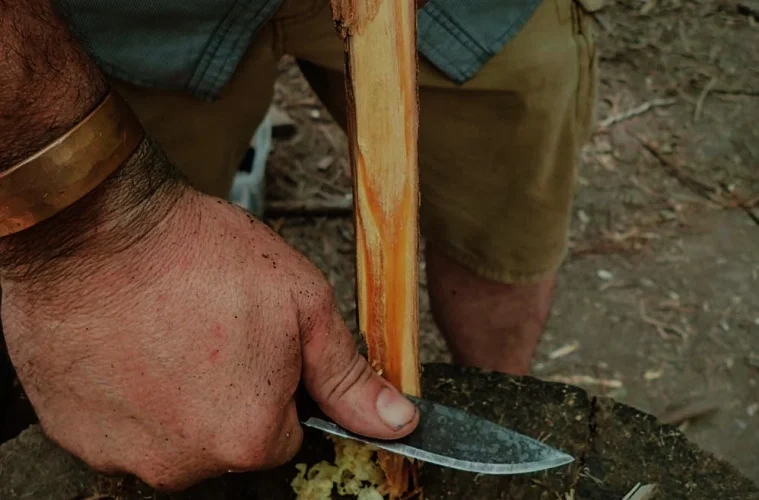

Many knife owners spend time choosing blades, refining sharpening routines, and maintaining gear, yet small handling habits often matter just as much. A knife becomes more predictable when grip, pressure, and blade alignment stay consistent. When these fundamentals slip, even a simple task can go wrong. Injuries often occur during everyday cutting because familiar movements make users less cautious. A close look at technique shows how minor choices contribute to accidents, especially when the blade is used with speed or casual hand placement.
Using the Wrong Grip for the Job
Grip affects blade control more than almost any other factor, yet many owners rely on a single hand position for everything. A grip suited for slicing rope may not provide enough stability for trimming wood or breaking down packaging. When the thumb and index finger do not support the blade correctly, the knife can rotate or drift. These small errors increase the likelihood that the edge will slide off the intended line.
Small corrections make a noticeable difference. Adjusting grip based on angle, resistance, and material gives the user more control and lowers the risk of sudden slips. Guidance from Ottawa Public Health highlights how simple changes in hand placement and cutting technique can reduce preventable injuries and support steadier blade movement.
Relying Too Much on Blade Locks and Opening Mechanisms
Many users assume a blade lock guarantees stability. Every lock has limits, and dirt, wear, or poor alignment can weaken the mechanism. A lock that feels solid at home can shift under uneven pressure in the field.
Regular checks keep the knife more predictable. Opening the blade with controlled movement, confirming engagement with a light press on the spine, and keeping the pivot area clean reduces surprises during use. Lock strength should support good technique rather than replace it. Reliable habits encourage safer handling in every setting.
Underestimating the Danger of Dull Blades
A dull edge forces the user to apply more pressure, increasing the risk of a slip. These slips often occur when the user is cutting dense materials or working at an awkward angle. Many people believe a dull blade is safer, even though it demands more effort to control.
A consistent sharpening routine improves predictability. A sharp, well-maintained edge moves through material with less resistance, reducing unexpected changes in direction and lowering the risk of deep cuts. Routine maintenance supports safer handling, whether the knife is used daily or only for occasional tasks.
Complacency During Everyday Use
Many knife injuries occur during routine tasks because familiar movements lead to relaxed attention. Quick cuts made without checking hand position, trimming something held too close to the body, or shifting grip midway through a cut are common sources of deep lacerations. These incidents often happen at home, at work, or in garages, and the results can be more serious than expected.
The long-term impact of a deep cut varies widely. Some wounds leave raised or pitted scars, and areas with limited soft-tissue coverage are more likely to show lasting marks. Treatment costs differ from one region to another. Care in Chicago often costs more than in places such as Houston, Tampa, or Phoenix. At the same time, expenses in cities like Los Angeles and New York frequently rank among the highest in the nation for specialist evaluations and follow-up visits.
Professionals at Rosenfeld Injury Law provide information about how injuries that produce long-term marks may require careful documentation and evaluation. Because treatment standards vary across regions, people in Illinois sometimes speak with a scarring and disfigurement lawyer in Chicago to understand how local factors influence long-term considerations. These differences across cities and states highlight the importance of staying attentive during simple cutting tasks.
Poor Knife Storage and Carry Habits
Storage and carry habits influence safety as much as grip and blade condition. A knife stored loosely in a toolbox, glove compartment, or backpack can shift into an exposed position. Reaching in without looking increases the chance of accidental cuts. Sheaths and pocket clips help keep the blade stable, but they work best when used consistently and checked for wear. Pocket carry requires attention to orientation, as a blade that opens unexpectedly can create a hidden hazard. Good storage habits reduce surprises and encourage predictable handling every time the knife is picked up.
Why Injury Outcomes Differ by State and City
Injury treatment varies considerably across the country, and a deep cut can lead to different outcomes depending on where care is provided. Cities such as Chicago, Los Angeles, and New York often have higher costs for emergency services and follow-up visits. Other cities, including Tampa, Phoenix, and Houston, tend to report lower averages for similar procedures. These differences influence how long-term scarring is treated, especially when a wound affects movement or appearance.
Some regions prioritize early access to specialists, while others rely more on general practitioners for wound care. These differences shape recovery, particularly when a cut occurs in an area that moves frequently or requires careful closure. Readers looking to improve their technique can review this guide to bushcraft knife handling, which emphasizes steady movement and deliberate control. Understanding how treatment varies across states helps explain why consistent attention during everyday knife use is essential.
Practical Safety Habits Every Knife Owner Should Build
Practical habits make the knife more predictable during everyday work. Checking hand placement before each cut, choosing a stable surface, and slowing down when trimming small objects all reduce the chance of slips. A regular sharpening routine supports clean, controlled cuts, and quick inspections of pivot points or sheaths keep folding and fixed blades secure. Storing knives in dedicated compartments prevents accidental contact when reaching into toolboxes or packs. These simple steps support reliable handling whether the knife is used at home, outdoors, or on a job site.
Conclusion
Knife injuries often happen during ordinary tasks, and their effects vary depending on technique, maintenance, and the region where treatment takes place. Careful attention to grip, storage, and blade condition helps reduce the risk of cuts that leave lasting marks. Steady and deliberate handling encourages safer use and supports better control in any setting.
