
 Subscribe / Back Issues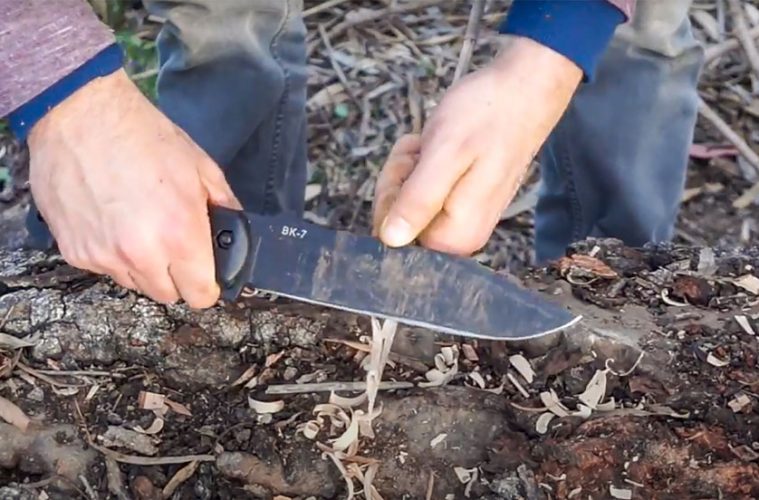

For centuries, a bushcraft knife has served as an essential tool for outdoor enthusiasts, survivalists, and adventurers alike. These versatile tools are indispensable for a wide range of tasks, from constructing shelters and starting fires to preparing food. However, to truly harness the full potential of a bushcraft knife, one must possess the necessary skills and knowledge.
In this article, we will explore various techniques to maximize the effectiveness of your handmade bushcraft knives, empowering you to thrive in wilderness settings. Whether you’re a seasoned outdoors person or a novice eager to learn, understanding how to skillfully use your bushcraft knife will enhance your outdoor adventures and increase your survival capabilities.
History of the Bushcraft Knives
Bushcraft knives have a storied history, tracing their origins back to the earliest human tools. Initially, these were simple flint knives used by ancient peoples for survival tasks such as cutting and skinning. As civilizations advanced, so did the design of these knives, evolving to meet the needs of hunters, gatherers, and, later, outdoor enthusiasts. In the 18th and 19th centuries, explorers and frontiersmen in North America popularized the use of robust, multipurpose knives that could handle a variety of wilderness tasks.
This era saw the birth of the classic bushcraft knife design: a fixed blade with a sturdy handle. Today, bushcraft knives blend traditional craftsmanship with modern materials and techniques, providing users with durable, efficient tools for wilderness survival and bushcraft activities.
Selecting the Ideal Knife for Your Requirements
Before delving into techniques, it is paramount to underscore the significance of selecting a knife tailored to your needs. While there is no solution for all bushcraft knives, factors like blade length, thickness, handle grip comfort, and overall quality should be carefully considered. A dependable knife with a blade can significantly boost your precision and efficiency in carving tasks.
Methods for Starting Fires
The ability to start fires is a skill, in bushcraft and outdoor survival situations. A bushcraft knife can be an asset when it comes to starting fires.
One standard method involves using a knife to carve feather or fuzz sticks by scraping off layers of wood from a stick or branch. These shredded pieces ignite quickly when sparked with embers from a ferro rod or another fire-starting tool. Moreover, your knife can be effectively utilized as a part of a Flint and Steel kit or with a cloth or natural tinder fungus to kindle a spark into flames promptly.
Always remember to exercise caution when starting fires outdoors and comply with regulations on fire usage.
Techniques for Building Shelters
Creating a shelter that shields you from the elements is essential in survival situations in the wild. With knowledge of bushcraft methods and adept use of your versatile bushcraft knife, you can easily craft durable and resilient shelters.
Your knife can assist in tasks such as collecting and cutting branches or saplings for shelter construction. It is advisable to use your knife to notch pieces for interlocking and ensuring stability. Additionally, batoning—a method involving using the spine of the knife’s blade along with a piece of wood to cut logs efficiently—is valuable for making tent stakes and securing structures.
Crafting Skills
Carving objects and tools is an aspect of bushcraft. Whether you’re making utensils, traps, or intricate tools from wood, your bushcraft knife is crucial.
Utilizing cutting methods with the knife from the tip to the heel enhances precision significantly. This involves using push cuts while maintaining a grip for control and stability. Practice techniques like whittling cuts to remove layers of wood to create detailed patterns or joints, as well as drawing cuts for smooth surfaces or outlines on wooden items.
Food Preparation
Efficiently using your bushcraft knife for food preparation is vital not only for ease but also for safety in the wild. From gutting fish and game to cooking meals, employing techniques with your blade is important.
When cutting fish, ensure a grip and posture while being cautious of the blade’s sharpness around areas. Mastering skinning techniques enables you to cleanly remove hides without damaging fur or leather. Filleting fish can be simplified by using the belly cut technique along with slicing motions, near the backbone.
Conclusion
Learning and mastering the strategies for using a bushcraft knife effectively can greatly improve one’s skills in navigating, surviving, and thriving in settings. Remember, practice is key; keep refining your techniques to enhance your proficiency. By embracing this level of expertise, you’ll boost your self-reliance and feel more confident during expeditions.
Maintaining a third-person perspective and sticking to a format lends a tone to this guide while ensuring clarity, coherence, and reader engagement. With this knowledge, readers will be well-equipped to make the most of their bushcraft knife in various scenarios.
