
 Subscribe / Back Issues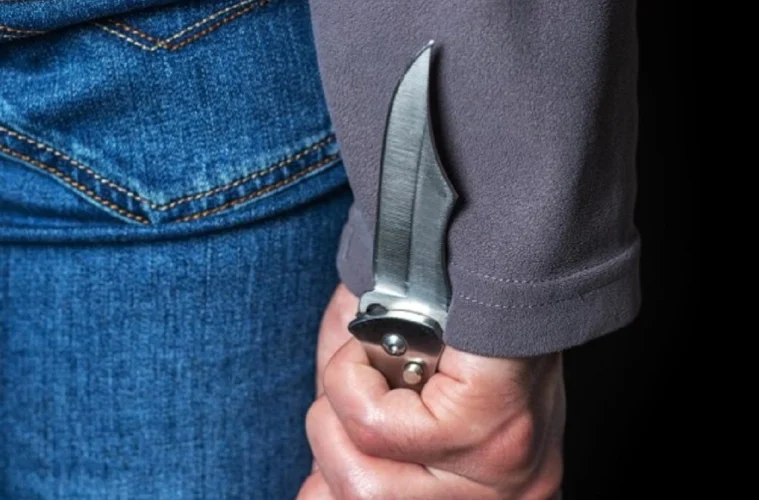

For motorcyclists who embrace the everyday carry lifestyle, a quality knife is more than just a tool; it’s an essential piece of gear. Whether you’re using it for roadside repairs, cutting paracord, or opening packages at your destination, that blade in your pocket serves a practical purpose on every ride. But before you fire up your bike and head out on Florida’s highways, understanding the state’s knife laws isn’t just smart, it’s necessary.
Florida’s knife laws are more permissive than many states, but that doesn’t mean you can carry anything, anywhere. If you’re pulled over during a routine traffic stop or involved in an accident, the last thing you want is a legal complication over a knife you didn’t realize you were carrying illegally. Here’s what every Florida motorcyclist needs to know.
What Knives Are Legal to Own in Florida
Florida law takes a relatively hands-off approach to knife ownership. According to Florida Statutes Chapter 790, you can legally own almost any type of knife, including:
- Fixed-blade knives of any length
- Folding knives (including assisted-opening and automatic knives)
- Switchblades and out-the-front (OTF) knives
- Bowie knives, daggers, and dirks
- Karambits, tantos, and tactical folders
There’s no blade length restriction for ownership in Florida, which means that whether you prefer a compact EDC folder or a full-tang fixed blade, you’re generally in the clear to own it. This makes Florida one of the more knife-friendly states in the country.
Understanding Open Carry vs. Concealed Carry
While Florida allows you to own most knives, how you carry them matters significantly under state law. The distinction between open carry and concealed carry is critical:
Open Carry: You can openly carry nearly any legal knife in Florida without a permit. This means the knife must be visible, think clipped to your pocket, worn on your belt in a sheath, or carried in plain sight. For motorcyclists, this could mean a fixed blade on your belt or a folder clipped to your riding vest.
Concealed Carry: Florida law restricts concealed carry to “common pocketknives.” The statute doesn’t define exactly what qualifies as a common pocketknife, which creates some gray area. However, courts have generally interpreted this to mean ordinary folding knives that aren’t weapons primarily designed for combat. If you’re carrying something larger, tactical, or particularly aggressive-looking, concealed carry could put you at legal risk.
Many motorcyclists prefer open carry for this reason; it eliminates ambiguity and keeps you on the right side of the law.
The One Type of Knife That’s Completely Illegal
Florida Statute 790.225 makes one type of knife entirely illegal to own, manufacture, sell, or possess: ballistic self-propelled knives. These are knives that fire or propel a blade as a projectile using a spring or compressed gas mechanism.
Possession of a ballistic knife is a first-degree misdemeanor in Florida, carrying penalties of up to one year in jail and a $1,000 fine. This law applies whether the knife is concealed or openly carried; simply having one in your possession is illegal.
For the everyday carry community, this is rarely an issue since ballistic knives aren’t practical EDC tools. But it’s worth knowing that this is the one hard line Florida law draws.
Location-Based Restrictions You Can’t Ignore
Even if you’re carrying a legal knife in a legal manner, certain locations are off-limits under Florida law. These location-based restrictions apply regardless of whether you’re open carrying or have a concealed weapons permit:
- Schools, school property, and school-sponsored events
- Courthouses and court facilities
- Detention facilities and correctional institutions
- Polling places during elections
- Career centers and other educational institutions
Additionally, private property owners can prohibit weapons on their premises. If you’re stopping at a restaurant, gas station, or hotel during your ride, check for posted signage. Violating these restrictions can result in criminal trespassing charges.
Why Legal Compliance Matters More When You Ride
Motorcyclists face unique scrutiny on the road. Statistics from the National Highway Traffic Safety Administration show that motorcyclists are significantly more likely to be involved in traffic stops and accidents than car drivers. In 2024 alone, 6,228 motorcyclists were killed in crashes nationwide, representing 16% of all traffic fatalities.
When an accident occurs, law enforcement thoroughly documents everything on your person, including knives and other tools. If you’re carrying a knife illegally, whether it’s concealed when it should be open, or present in a restricted location, you could face criminal charges on top of dealing with injuries and property damage.
If you’re involved in a motorcycle accident in Florida, understanding both traffic laws and your rights becomes critical. Motorcycle injury lawyers can help you navigate the complex aftermath of a crash, including any questions about items you were carrying at the time of the incident.
Riding Smart, Carrying Legal
Florida’s knife laws offer significant freedom for EDC enthusiasts who ride, but that freedom comes with responsibility. Before your next ride:
- Choose knives that are unambiguously legal
- Carry them openly to avoid concealed carry questions
- Know where you can and can’t bring them
- Stay informed about local ordinances that may add restrictions
Your knife is a tool that serves you well on the road. Make sure you’re carrying it in a way that keeps you legal and focused on the ride ahead. The open road is waiting, and knowing the law means one less thing to worry about when you’re chasing the horizon.
