
 Subscribe / Back Issues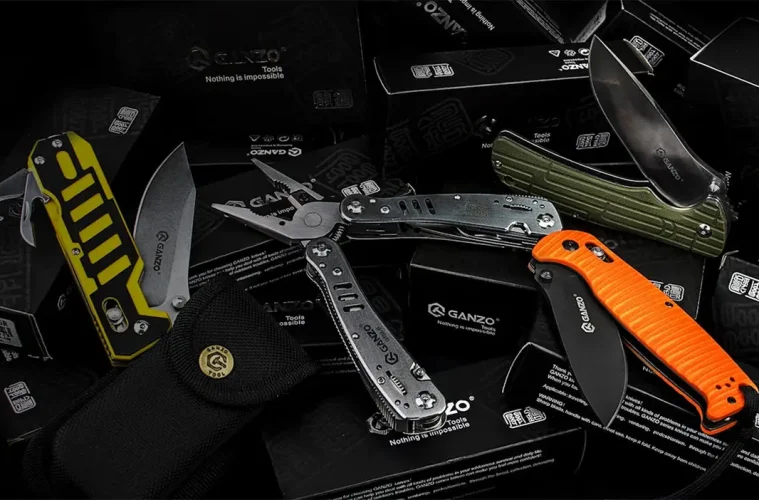

Photo by MYKOLA OSMACHKO on Pexels
Minor fender benders are easy to ignore, but serious crashes are different. Glass, twisted metal, and leaking fluids turn a normal road into a threat in seconds. In that moment, the knife in a pocket or clipped on a belt is not just a hobby item; it is a compact rescue tool.
Modern blades pair sharp edges with glass breakers and seatbelt cutters. Used with a cool head, they help trapped drivers and pedestrians get to safety faster. Here’s how modern blades help in roadside emergencies.
1. Turning a knife into part of the safety plan
An everyday carry knife can be a real part of a roadside safety kit. Locking mechanisms, grippy handles, and blades that open quickly with one hand reduce fumbling when stress is high. Some designs add belt cutters and glass breakers that expand what the tool can do.
Smart use also supports the legal side of a crash. Quick scene control, simple first aid, and clear documentation help protect injured pedestrians and passengers. If injuries are serious, a pedestrian accident attorney can later rely on these notes and photos to show how the impact unfolded.
2. Cutting seatbelts and tangled fabric fast
In a crash, stuck buckles and twisted seatbelts slow everything down. A sharp blade or built-in strap cutter lets you slice the webbing cleanly so an occupant can move without pulling on an injured neck, back, or shoulder. Guarded cutters slide under the belt but stay away from skin, which keeps the cut controlled.
3. Clearing small obstacles around the vehicle
Crash scenes rarely look clean. Branches, torn bumper pieces, and hanging plastic can block doors or snag clothing. A sturdy folding knife lets you trim branches, slice away loose trim, or cut off dragging panels that get in the way. You are not doing a full vehicle rescue, just creating a bit more room so someone can step out, lie flat off the roadway, or wait in a safer spot until first responders arrive.
4. Combining blades with built-in glass breakers
Many rescue-style knives include a hardened glass breaker at the butt of the handle. Used in the corner of a side window, it can shatter safety glass that is trapping someone inside. Paired with a locking blade or strap cutter, one compact tool addresses the two most common barriers: glass and belts. Training matters, and owners should learn where to strike and how to shield a victim’s face from shards before an emergency happens.
5. Supporting first aid and scene management
A knife also plays a quiet support role once everyone is out of immediate danger. It can cut gauze, improvise slings from clothing, or trim tape and bandages for cleaner wraps. It can open packaging on blankets or flares when fingers are cold and shaking.
Outside the car, it helps mark safe zones by trimming hazard tape or fabric strips tied to debris. Small actions like these keep people calmer and reduce secondary accidents while waiting for responders.
Endnote
Modern blades are no longer just pocket accessories. In the right hands, a well-designed knife or rescue tool supports safer exits, better first aid, and clearer documentation after a roadside emergency. Paired with training, good judgment, and respect for local carry laws, that everyday knife becomes compact safety gear that can protect both lives and legal rights when an ordinary drive suddenly turns critical.
